Sunset Sitting Close in Formal Attire Engagement Photos
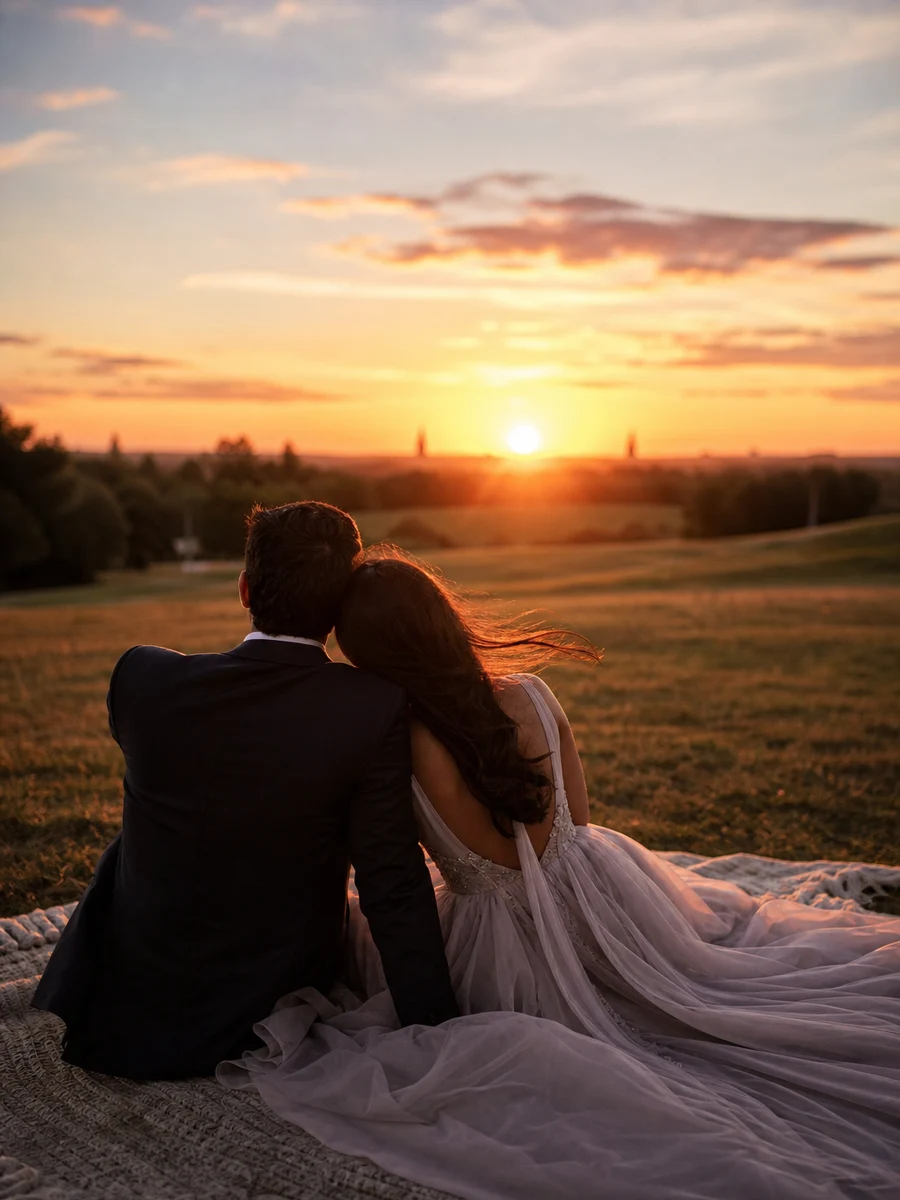
Place the blanket with the sun directly behind you to get a warm, glowing silhouette; the horizon will frame you both naturally.
📍 park💑 sitting-close
Outfit Ideas
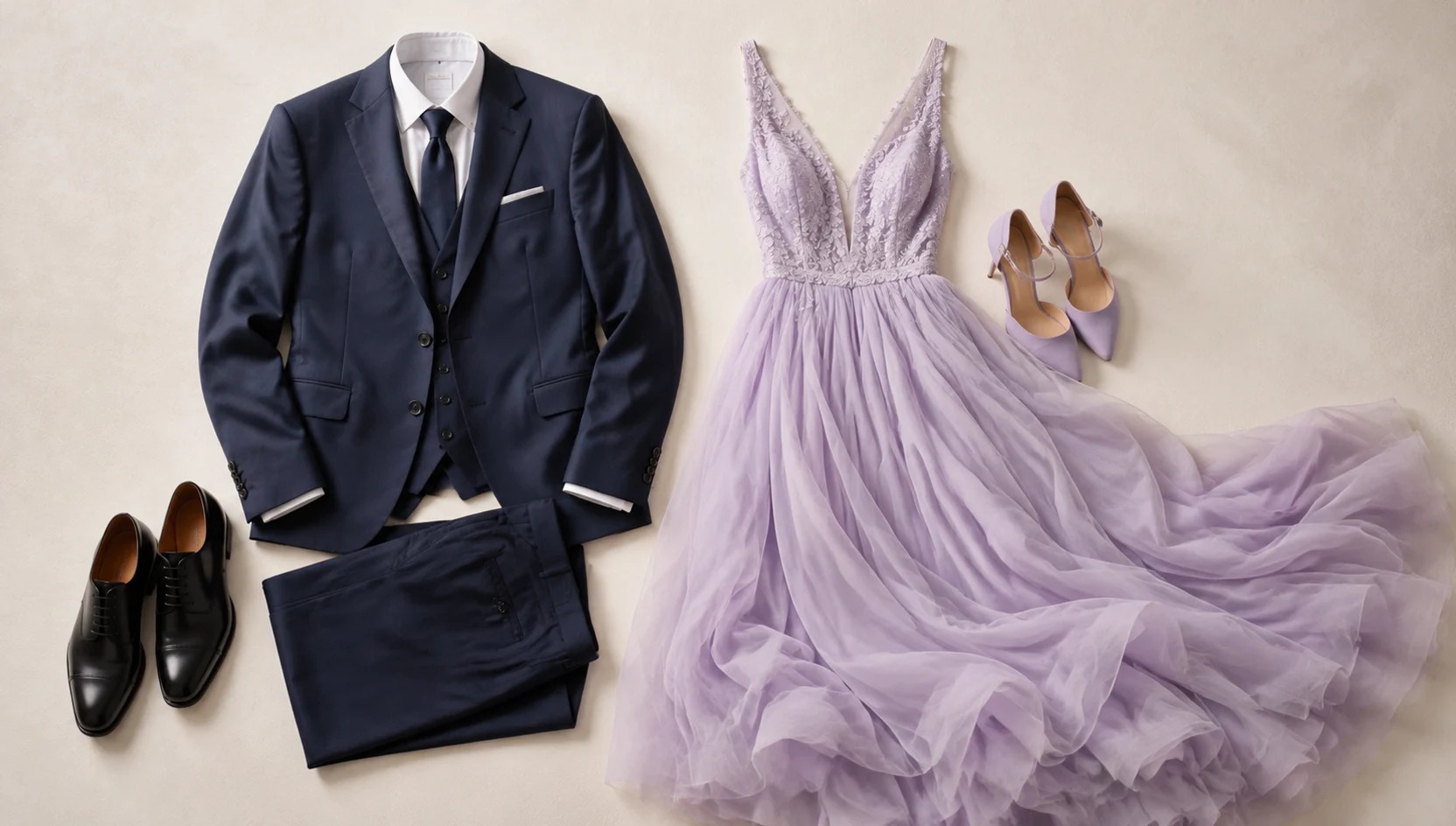
He
suit
navy blue
She
gown
Place the blanket with the sun directly behind you to get a warm, glowing silhouette; the horizon will frame you both naturally.
He
suit
navy blue
She
gown
lavender
You sink onto the blanket, the dry grass rustling beneath. Your fiancée smooths the train of her gown, and it catches the last warmth of the sun—a cascade of silk glowing amber. The air is still, carrying the scent of cut grass and distant barbecue smoke. You can hear a child laughing from the playground down the hill, but here, in your corner of the park, it’s just the two of you.
She leans into you, her head finding that familiar spot on your shoulder. You follow her gaze toward the horizon, where the sky is melting from gold to peach. The photographer’s shutter clicks softly. No forced poses. This is why you arrived 30 minutes before sunset—to settle in, to let the light build, to feel unhurried. The blanket does more than protect her dress; it anchors the frame, turning an open field into your private moment.
This is what park engagement photos feel like: the low sun throws long, soft shadows, and her diamond catches the light with every breath. You forget about the couple walking their dog a hundred yards away. Their presence fades because you’re focused on her warmth, the rhythm of her breathing.
Eventually, the sun dips below the tree line, and the sky goes soft pink. The photographer might ask you to hold still, to let the rim light kiss her hair. You do. And later, when you see these engagement photos, you’ll remember the quiet weight of her head on your shoulder, not the logistics—the permit you applied for online, or the backup blanket in the car. Because the best images don’t come from perfection. They come from showing up early, bringing the right tools, and then just being with each other.
🌅 Golden Hour — Shoot in the hour after sunrise or before sunset for warm, flattering light and long soft shadows.
Yes, a picnic blanket serves as a practical and aesthetic prop. It protects formal attire from grass stains, defines your sitting area, and anchors the composition. For sunset shoots, a neutral or soft-colored blanket (cream, blush, light gray) won’t compete with the backlight. Spread it smoothly so the gown’s train can cascade over the edge, catching the light. Bring a clean, lint-rolled blanket to avoid dust spots in close-ups. A blanket also helps you settle into a natural, relaxed pose rather than perching awkwardly on uneven ground.
A photographer can work around them. Golden hour park sessions often mean others enjoying the evening. Arrive early to claim a secluded spot, and your photographer can frame shots to exclude passersby by using low angles or shallow depth of field. If someone briefly enters the frame, a quick pause often solves it. Embracing the park’s natural activity can also add a candid, authentic feel. Communicate with your photographer about your comfort level; they can often time shots between foot traffic or edit out minor distractions afterward.
Both are stunning, but for sunset sitting-close shots, fall offers richer backdrop colors, while spring provides fresh greenery and blooming flowers. Fall’s golden and amber leaves complement sunset backlight beautifully, creating a warm, monochromatic palette. Spring’s pastels and soft light offer a romantic, airy feel. Consider your attire: a flowing gown pops against fall foliage; in spring, you might choose lighter hues. Both seasons have mild temperatures ideal for sitting outdoors without overheating or shivering. Check local foliage or bloom peaks to align with your vision.
Yes, arriving 30–45 minutes early is essential. This buffer allows you to scout the exact spot, lay out the blanket without rush, and settle into a relaxed frame of mind. For sunset sessions, the light changes fast; being early ensures you’re set up before the peak golden window. It also gives time for last-minute wardrobe fixes—like fluffing a train or adjusting jewelry—and for your photographer to test angles. An unhurried start translates to natural, calm expressions in your engagement photos.
Late spring through early fall offers the most reliable weather and lush settings for park engagement photos. In many regions, May to October brings warm evenings, comfortable sitting conditions, and vibrant natural backdrops. Summer delivers dramatic, long sunsets perfect for golden hour, while early fall adds a touch of warm color without the chill. Check your local sunset time—it shifts from around 8:00 p.m. in summer to 6:30 p.m. in spring/fall—so you can schedule accordingly. Avoid muddy spring or winter snowmelt if you plan to sit on the ground.
It depends on the park’s rules, but many urban and state parks require a permit for professional photography. Always check the park’s official website or call their office. Some parks charge a small fee for commercial or portrait sessions, while others have free access. Securing a permit ensures you won’t be asked to leave mid-shoot. Do this weeks in advance; online applications are common. If your chosen spot is a popular wedding photo location, permits may be limited, so early booking is wise.
Book 4–6 weeks ahead, more for popular seasons or parks. Photographers’ calendars fill quickly for peak sunset times, especially in spring and fall. Booking early secures your preferred date and time—crucial for golden hour slots that are only about an hour long. It also allows time to obtain any necessary permits and coordinate outfit details. If you’re traveling or have a specific park in mind, aim for 8 weeks out to avoid disappointment. Last-minute sessions can work, but your options for time and location narrow.