Intimate Piggyback Ride in Elegant Attire by Window Engagement Photos
Sometimes the most memorable shot is the one you donât planâlike a piggyback ride in a gown. Trust your photographer to see those moments.
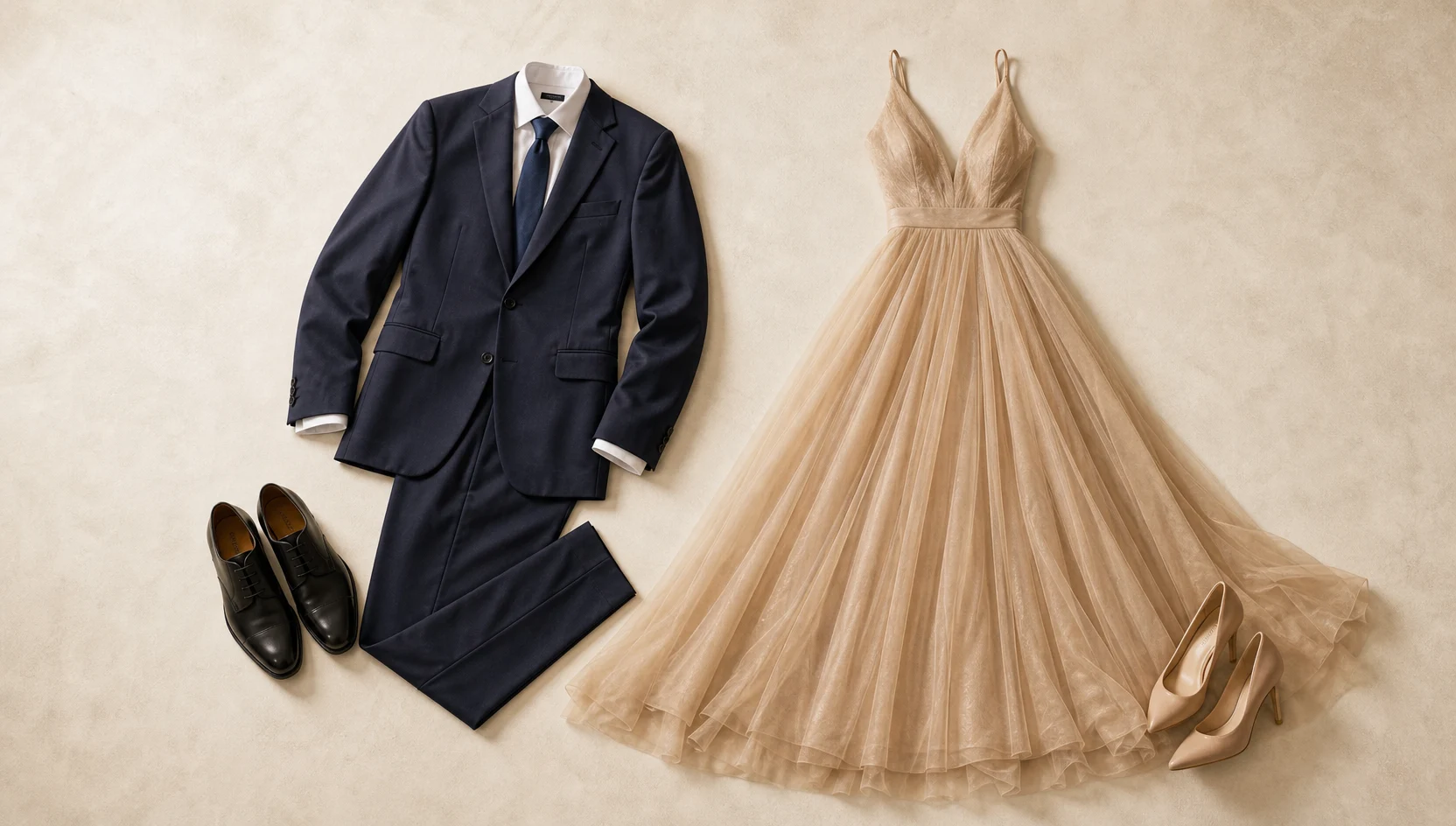
Outfit Ideas

He
suit
navy blue
She

Sometimes the most memorable shot is the one you donât planâlike a piggyback ride in a gown. Trust your photographer to see those moments.

He
suit
navy blue
She
gown
champagne
Youâre balancing on one foot, the other hooked around his hip as he steadies you against him. The fading sunlight through the tall window warms your back, and a honey-gold glow spills across the floorboards. His suit jacket crinkles softly as your arms tighten around his neck. You feel the slight strain in his shouldersâyouâre not heavy, but heâs holding you like youâre the most precious thing. Your tulle gown rustles and cascades down, the layers catching light. You nuzzle into the curve of his neck, your eyes closed. The photographerâs shutter clicks in the quiet room. âJust breathe,â she says. You can smell his cologne mingling with the faint dust of old wood. Beyond the window, early evening sounds drift inâa distant car, a bird settling. Youâd arrived a half-hour before golden hour, which today peaks at 6:47 p.m. That gave you time to steam the dress again and do one last makeup check. For these indoor engagement photos, the key is that window. Youâd planned for backlight; now your photographer is exposing for your faces, keeping the background softly blown out while you radiate warmth. The piggyback ride feels less like a pose and more like a quiet moment stolen. As he turns slightly, you peek over his shoulder and see your reflection in the glassâtwo silhouettes wrapped in each other, the window framing your connection. Your engagement photos will remember not just how you looked, but how you felt: safe, playful, completely at ease.
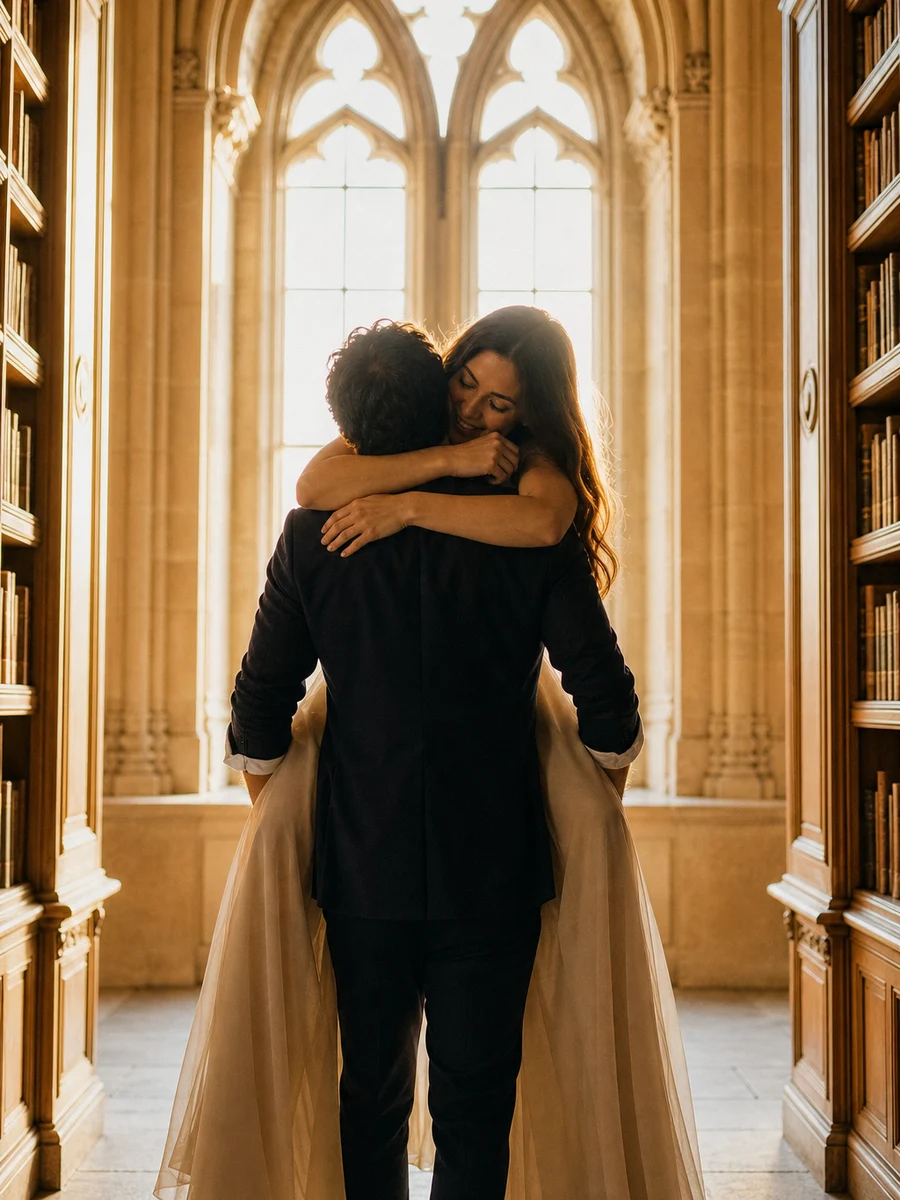
đȘ Window Light â Position the couple beside a large window for soft, directional natural light indoors.
Typically 60-90 minutes. That window gives you time to settle into different poses, change outfits once, and capture a variety of backdrops without feeling rushed. Longer sessions (2 hours) allow for a second location. The key is to let your photographer guide the pacingâthey'll know when the light is best and when you need a breather. Arrive a bit early to touch up hair and makeup, so the clock starts with you camera-ready.
Aim for 3-6 months out, especially if you're planning outdoor shots in a popular season. Many photographers book weekends first, so sooner secures your date. This also gives you time to discuss vision, coordinate outfits, and schedule a backup date for weather. If you need the images for save-the-dates, work backwards from that deadline to allow editing time, which can be 2-4 weeks after the shoot.
Essentials: your outfits on hangers, comfortable slip-on shoes for moving between spots, a small mirror, lip balm, powder for shine touch-ups, and any sentimental props (like a blanket or a handwritten sign). Bring water and a snackâyou'll get hungry. If you're shooting outdoors, pack bug spray and a small towel in case the ground is damp. Also, have a bag to stash your phones and keys so pockets don't bulge.
One to two outfits is standard for a 60-90 minute session. Changing takes time, so more than two can eat into shooting minutes and leave you feeling frazzled. Start with the dressier look (like the gown and suit) when you're fresh. Then switch to a more casual, comfortable option that reflects your everyday style. Talk to your photographerâsome sessions allow a third look if it's a quick change.
Almost everyone does at first. A good photographer will ease you in with movement-based prompts: walk and hold hands, whisper a joke, spin around. Focus on interacting with each other rather than on the lens. Your expressions come naturally when you're genuinely laughing or being affectionate. Remember, these are your engagement photosâthey should capture real connection. Trust that the awkwardness fades within 10-15 minutes as you relax into each other.
Golden hourâthe hour after sunrise or before sunsetâgives you the softest, most flattering light. For evening shoots, plan to start about 90 minutes before the sun dips below the horizon. That gives you time for that warm, directional glow and the dreamy twilight after. Check your local sunset time, and scout locations with your photographer to see where the light falls. Avoid midday sun, which casts harsh shadows.
Have a backup plan locked in when you book. Most photographers are flexible and will reschedule to the next available date with good conditions. If rain is light, you might still shoot with umbrellasâit can add mood. For extreme weather, indoor options like a studio or an airy venue with large windows save the day. Communication is key: touch base the morning of to make the call together.